Homeowners And Renters In Columbus, Ohio Are Taking A Fresh Look At Home Security


Wireless kits, phone alerts and month-to-month plans have changed how people protect their homes. More households are learning there's more to choose from than an alarm panel and a long contract.
Monitoring, cameras, locks, sensors and contracts all change how a system works out. Below are the topics our readers are reading most right now. Pick the one closest to what you're looking for.
1. Security Companies Are Competing Hard For New Customers. Here's What Today's Deals Include

Home security used to mean a technician, a long contract and a keypad by the door. Now there are wireless kits, month-to-month plans and promotions that change from season to season.
Equipment offers, monitoring options and contract terms differ more than the ads suggest. Knowing what's actually in a deal before you sign up is how people end up with a system that fits.
See what current home security deals include
2. Two Security Systems Can Look Identical On The Box. The Difference Is Who's Watching
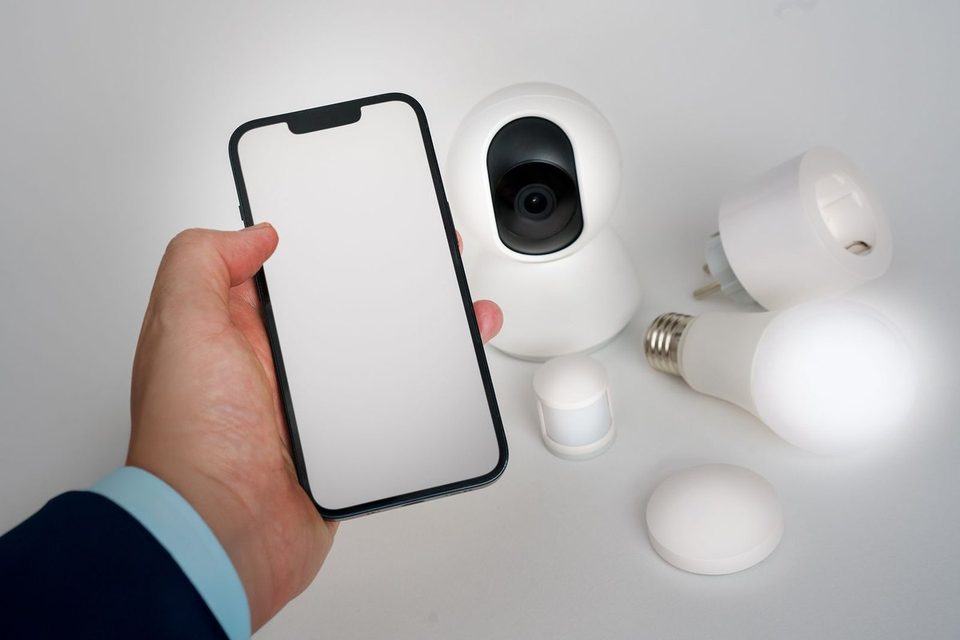
Cameras, sensors and a hub look much the same from one brand to the next. What changes is what happens when an alarm goes off at 3 a.m.
Monitored systems route alerts to a staffed center that can contact you and, if needed, emergency services. Here's how monitored systems compare and what to look at side by side.
3. Renting Doesn't Mean Going Without A Security System. No-Drill Setups Move With You

Many renters assume security systems are for homeowners, since nobody wants to drill holes in a wall they'll have to patch before moving out.
Wireless sensors, stick-on mounts and plug-in cameras have changed that. Most setups take an afternoon and come down just as easily. Here's how renter-friendly systems work and what to check in a lease.
See how renter-friendly security works
4. Package Deliveries Changed What People Want From A Front Door. Here's How Video Doorbells Work

Deliveries arrive while you're at work, visitors ring while you're in the backyard and the front porch gets more traffic than it used to.
Video doorbells let you see and talk to whoever is at the door from your phone. Wired and battery models, video history and subscription plans all work a little differently. Here's what to compare.
Compare Video Doorbells5. Watching Alerts On Your Own Phone Or Paying Someone To Watch? How The Two Options Compare

Self-monitored systems send every alert straight to your phone, and what happens next is up to you. Professionally monitored systems have someone on the other end around the clock.
The right choice depends on how often you're reachable, how you travel and what you want to pay each month. Here's how each one works.
Two things worth checking before you sign up.

6. The Monthly Price Is Only Part Of A Security Contract. Here's What To Read Before Signing
Contract length, what happens if you move, who owns the equipment and what it takes to cancel are all in the fine print.
Here's how security contracts and monitoring plans usually work, and the questions people ask before they sign.
See what to check in a security contract
See What To Check
7. Some Home Insurers Offer A Discount For A Monitored System. Here's How It Usually Works
A monitored alarm can matter to a home insurance company, since it can lower the chance of a large claim.
Which systems qualify, what proof is needed and how much the discount amounts to vary by company. Here's how it typically works for homeowners and renters.
See how security can affect insurance
See How Discounts Work8. Wired Or Battery Powered? What Matters Most When Choosing Outdoor Cameras

Outdoor cameras have to deal with rain, heat, glare and darkness, and the spot you want to cover isn't always near an outlet.
Power source, night vision, field of view and where the video is stored make the biggest difference day to day. Here's how wired and wireless cameras compare.
Compare wired and wireless outdoor cameras
9. Spare Keys Under The Mat Are On Their Way Out. Here's How Smart Locks Work
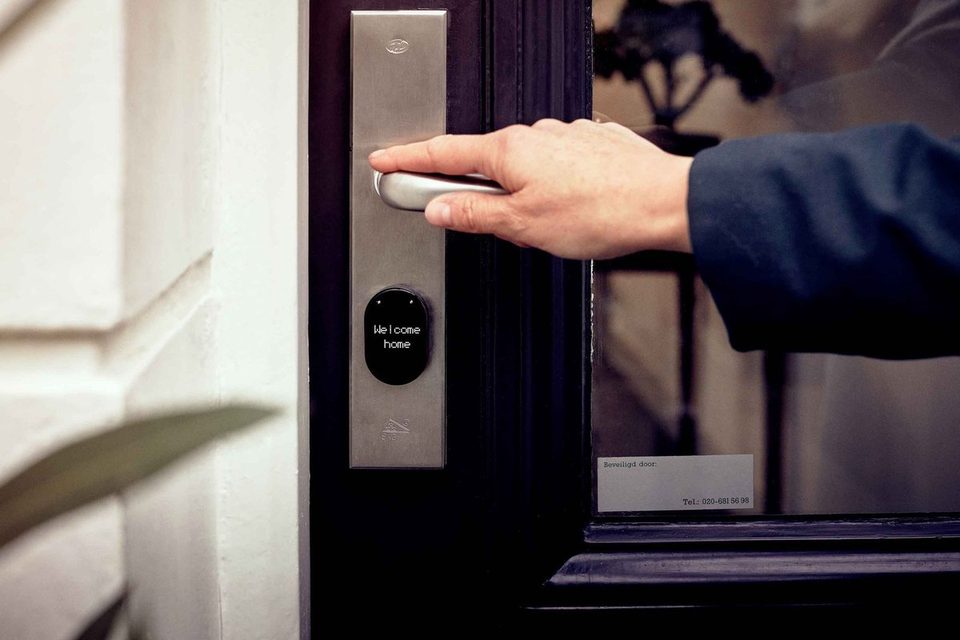
Lost keys, a dog walker who needs to get in and a teenager who forgets to lock up are the usual reasons people start looking at smart locks.
Keypad codes, phone unlocking and temporary access for guests all work differently. Here's how smart locks are installed, powered and connected.
10. Security Systems Aren't Only About Break-Ins. Smoke, Carbon Monoxide And Leak Sensors Explained

A burst pipe under the sink or a carbon monoxide leak can do more damage than most break-ins, and both are easy to miss when nobody is home.
Many systems can add connected smoke, carbon monoxide and water leak sensors that alert your phone or a monitoring center. Placement matters as much as the sensor. Here's how they work.
See How Sensors Work11. Shops, Offices And Storefronts Need Security Too. Here's How Business Systems Differ
After hours, a small business is often empty, and a break-in or a broken freezer can mean lost stock and days of closure.
Business systems add things most homes don't need, like door access for staff, camera coverage of the register and alerts for after-hours entry. Here's how they work.
Topics are updated regularly as products, plans and offers change. Availability varies by location.